

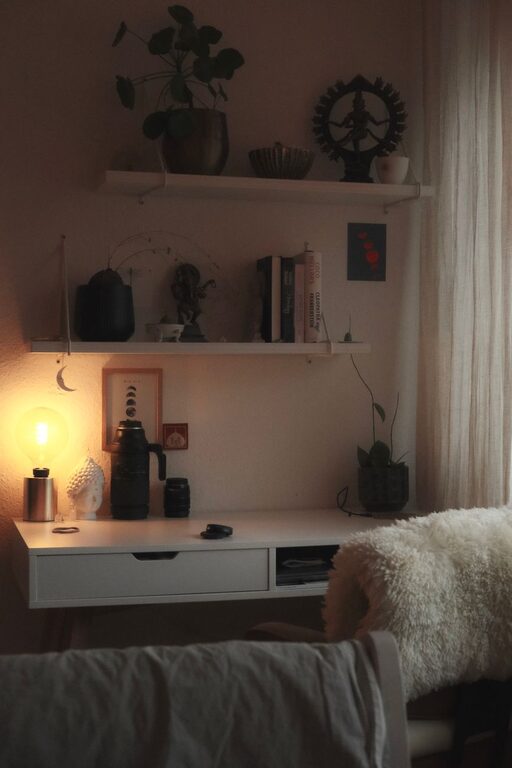
Creating a relaxing home office space is essential for maintaining productivity and well-being while working from home. A well-designed environment can help you stay focused, reduce stress, and enjoy your workday. Whether you have a dedicated room or a small corner, thoughtful design and organization can turn your workspace into a calm retreat. Here are some helpful tips to create a relaxing home office space.
Choose the Right Location
Finding the best spot for your home office is the first step. Ideally, pick a quiet area with minimal distractions and sufficient natural light. Natural light boosts mood and energy levels; positioning your desk near a window is an excellent idea. If space is limited, consider using a room divider or screen to separate your office zone from living areas.
Invest in Comfortable Furniture
Comfort plays a critical role in a relaxing office. Choose an ergonomic chair that supports your posture and reduces fatigue, especially if you spend long hours at your desk. A desk with adjustable height or enough surface area can help you work comfortably. Avoid clutter on your workspace by selecting furniture that offers storage options like drawers or shelves.
Use Calming Colors and Decor
Colors influence mood and concentration. Soft, neutral hues such as light blues, greens, or warm beiges are known to have soothing effects. Avoid overly bright or harsh colors that might cause visual fatigue. Decorate your space with simple artwork or nature-inspired prints to create a peaceful atmosphere. Adding plants is another great way to bring calm and improve air quality.
Organize for Clarity and Focus
A tidy workspace can reduce stress and improve focus. Use organizers, trays, or baskets to keep supplies neat and accessible. Regularly clear out unnecessary items and papers to prevent clutter from building up. Digital organization is important too—arranging your files and emails efficiently helps you stay on task without feeling overwhelmed.
Incorporate Soft Lighting
Besides natural light, soft, warm lighting is crucial for a relaxing home office. Avoid harsh fluorescent bulbs. Instead, use desk lamps, floor lamps, or string lights with adjustable brightness levels. This allows you to control lighting intensity depending on your task or time of day, creating a comfortable work environment.
Personalize Mindfully
Personal touches make your office inviting but avoid overdecorating, which can cause distractions. Display a few meaningful items like photos, inspirational quotes, or souvenirs that bring joy. Choose calming scents through candles, essential oil diffusers, or air fresheners with subtle fragrances such as lavender or eucalyptus.
Minimize Noise Distractions
Noise can disrupt your focus and increase stress. If you can’t choose a quiet location, consider noise-canceling headphones or white noise machines. Playing gentle instrumental music or nature sounds can mask background noise without being distracting. Let family members or housemates know your work hours to minimize interruptions.
Take Regular Breaks and Move
Even in a relaxing office, it’s important to take breaks to refresh your mind and body. Set reminders to stand, stretch, or walk around every hour. Integrate small exercises or breathing techniques during breaks to reduce tension. Having enough space around your desk helps you move freely when needed.
Technology Setup and Cable Management
A cluttered desk with tangled cables can contribute to a stressful environment. Use cable organizers or clips to keep wires out of sight and untangled. Ensure your technology setup is efficient, with a good-quality monitor, keyboard, and mouse that suit your work style. Regular maintenance of your equipment prevents frustrations arising from tech issues.
Maintain Good Air Quality
Fresh air is essential to staying alert and comfortable. If your home office lacks windows or ventilation, use an air purifier or keep houseplants to enhance air quality. Opening windows periodically allows fresh air to circulate, improving your workspace environment.
Final Thoughts
Creating a relaxing home office space is about balancing functionality with comfort. A thoughtful setup supports your productivity while promoting calm and focus throughout the workday. By choosing the right location, investing in comfortable furniture, organizing your space, and adding calming elements, you can design an office that feels inviting and peaceful. Take time to personalize and maintain your space as your needs evolve. With these tips, your home office can become a place where work feels less like a chore and more like an enjoyable activity.